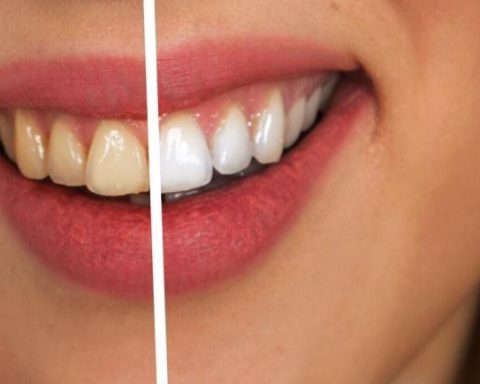
Modern cosmetic dentistry has evolved beyond just creating beautiful smiles—it now focuses on enhancing appearance while protecting as much of the natural tooth structure as possible. Thanks to technological advancements, procedures are becoming more precise, minimally invasive, and tailored to each patient’s unique dental profile. This shift in approach allows individuals to enjoy aesthetic improvements without sacrificing long-term oral health.
Preserving the natural tooth is essential because it maintains the tooth’s original strength, reduces the risk of sensitivity, and helps prevent future complications. In the past, cosmetic treatments like crowns or veneers often required significant reshaping of the tooth. Now, with digital planning and cutting-edge materials, dentists can achieve stunning results with less removal of healthy enamel.
Digital Smile Design: A Revolution in Planning
One of the biggest breakthroughs in this field is Digital Smile Design (DSD). This innovative approach uses advanced imaging, 3D modelling, and facial analysis to map out every stage of a cosmetic procedure before any physical work begins. Through DSD, patients can visualise the outcome of their treatment, ensuring they’re fully involved in the decision-making process.
The process starts with high-resolution scans and photographs of the teeth, gums, and face. These images are then processed using sophisticated software to design a smile that complements the patient’s facial proportions and personal preferences. This level of planning allows dentists to make precise, minimal alterations to the teeth, avoiding unnecessary drilling or reshaping.
Because every adjustment is digitally tested before being applied in real life, the margin for error is significantly reduced. This results in a treatment plan that focuses on preserving enamel, improving accuracy, and delivering predictable results. Patients who go from treatment to transformation with Digital Smile Design often find the process more comfortable and less invasive than they expected.
Minimally Invasive Veneers and Bonding
Technology has also transformed the way cosmetic veneers and bonding are performed. Modern porcelain veneers can be created in ultra-thin layers, allowing them to be placed over the existing tooth with little to no preparation. This not only maintains the tooth’s structure but also reduces post-treatment sensitivity.
Composite bonding has likewise benefited from high-tech innovations. Advanced composite resins now mimic the translucency and texture of natural enamel with remarkable accuracy. Using digital colour-matching tools, dentists can craft restorations that seamlessly blend in while preserving the underlying tooth.
Laser Dentistry for Precision and Comfort
Laser technology is another game-changer in cosmetic dentistry. Lasers allow for precise gum contouring, enamel recontouring, and teeth whitening without the need for traditional surgical instruments. Because lasers are highly targeted, they minimise damage to surrounding tissues and often eliminate the need for anaesthesia.
For patients undergoing smile makeovers, laser gum contouring can create a more balanced appearance without affecting the tooth’s stability. This approach means fewer incisions, less bleeding, and faster healing—further supporting the goal of tooth preservation.
3D Printing and CAD/CAM Technology
The introduction of 3D printing and computer-aided design/manufacturing (CAD/CAM) systems has dramatically reduced treatment times and improved precision. Digital impressions taken with intraoral scanners are far more comfortable than traditional moulds and eliminate the risk of distortion.
With CAD/CAM, restorations like crowns, inlays, and onlays can be designed and milled in a single appointment. The ability to create restorations chairside means fewer adjustments are needed, and the fit is more accurate—allowing the dentist to keep more of the original tooth intact.
3D printing also enables the creation of custom guides for treatments such as dental implants. These guides help place implants with extreme precision, reducing the amount of healthy tissue that needs to be altered.
AI and Predictive Treatment Planning
Artificial intelligence is beginning to play a key role in cosmetic dentistry. AI-powered software can analyse patient records, images, and bite patterns to recommend the most conservative yet effective treatment plans. This ensures that every step, from preparation to final placement, is strategically designed to minimise tooth reduction.
When paired with 3D imaging, AI can also simulate how different treatment options would look and function over time. This helps patients and dentists choose methods that protect the natural tooth while achieving aesthetic goals.
Integrating Health and Aesthetics
Today’s cosmetic dentistry doesn’t just focus on the look of the teeth—it also addresses function, comfort, and long-term oral health. By preserving more of the natural tooth, treatments support bite alignment, prevent unnecessary wear, and maintain the natural balance of the mouth.
Innovations in dental photography, shade-matching technology, and chairside design tools all contribute to this patient-centred approach. The more precisely a treatment is planned and executed, the less invasive it needs to be.
Modern cosmetic dentists are now combining their clinical expertise with high-tech resources to create beautiful smiles that last longer and require fewer alterations over time. The shift from traditional, aggressive preparation methods to digital, conservative techniques represents a major step forward for the profession and its patients.
For dental professionals, this transformation is about blending artistry with science—turning clinical intuition with dental software to ensure every smile enhancement is as protective as it is transformative.