
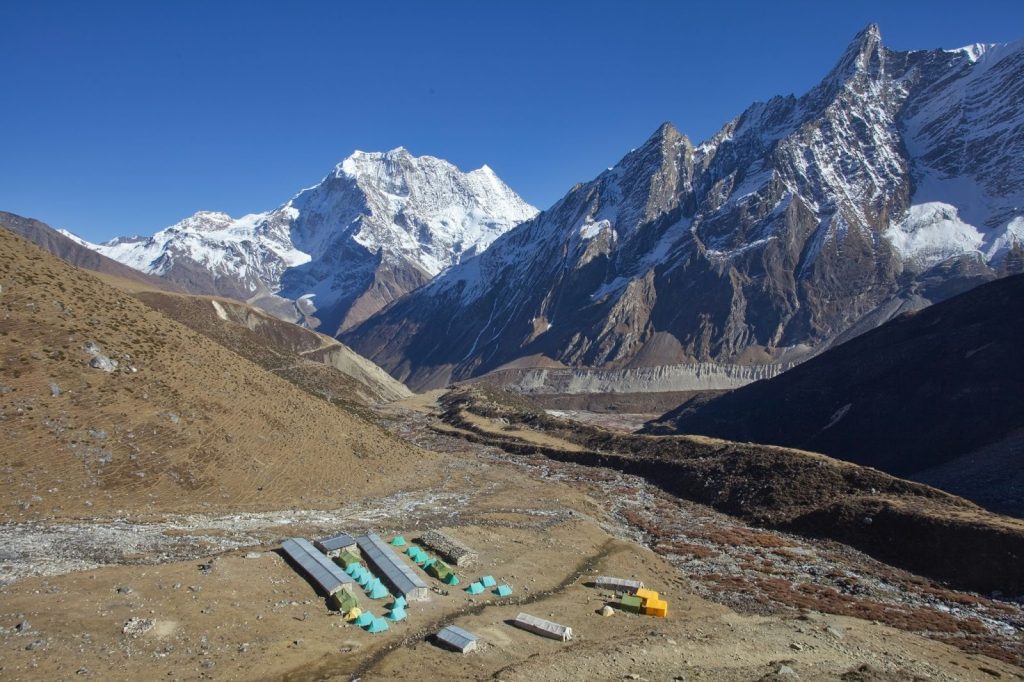
While Nepal’s famous trekking routes grow increasingly commercialized, the Manaslu Circuit trek maintains something rare: genuine cultural immersion untainted by tourism infrastructure. Few places on Earth offer authentic interaction with traditional communities alongside genuine adventure. Manaslu delivers both in abundance.
The Absence of Mass Tourism
Manaslu Circuit remains deliberately restricted. The government limits daily trekker numbers and requires organized groups with licensed guides. These regulations protect the environment and preserve cultural integrity. Unlike Everest Base Camp or Annapurna Circuit where teahouses cater exclusively to Western tourists, Manaslu maintains its local character.
You’ll encounter other trekkers, but never crowds. Teahouses serve local food prepared for locals, not adapted menus designed for tourist preferences. Evenings in guesthouses feel like family gatherings rather than commercial transactions. This scarcity of tourism keeps prices low and interactions genuine.
The communities here haven’t optimized their lives around trekker expectations. Villages maintain traditional schedules and customs. Locals aren’t performing culture for tourists—they’re living it. This fundamental difference creates experiences that feel authentic rather than staged.
Tibetan Buddhist Culture
The Nubri and Tsum valleys shelter communities that practice Tibetan Buddhism actively. This isn’t merely cultural decoration—spirituality fundamentally shapes daily life. Monasteries operate as active religious centers, not heritage attractions. Monks follow rigorous practice schedules. Prayer ceremonies happen regardless of whether trekkers attend.
Walking these valleys, you witness Buddhism as living religion. Prayer flags flutter with genuine spiritual significance. Mani walls constructed over centuries demonstrate devotion. Sacred sites trigger reverence in both believers and observers. The landscape itself feels sanctified through centuries of spiritual practice.
Authentic Homestay Experiences
Many trekkers stay in family homes rather than commercial guesthouses. These homestays transform understanding of mountain life. You participate in daily activities: helping prepare meals, carrying water, feeding animals. Children may ask to practice English with you. Evenings involve genuine conversation rather than tourist performances.
Families feed you traditional foods prepared daily for themselves. You eat dal bhat, seasonal vegetables, and local specialties. Meals taste completely different from restaurant versions. Eating with families creates bonds that restaurants never achieve.
These interactions reveal how people actually live. You learn about challenges: limited electricity, difficult winters, expensive medicine. You understand sacrifice involved in raising children remotely. These insights build genuine respect for mountain communities.
Language and Connection
English remains uncommon in Manaslu villages. Guides must translate extensively. This language barrier initially frustrates some trekkers but ultimately deepens cultural appreciation. You cannot engage superficially when communication requires effort. Conversations become more meaningful.
Learning basic Nepali phrases matters. Locals appreciate attempts at their language far more than English spoken loudly. Simple greetings open doors. “Namaste,” “Dhanyavaad,” and “Tapailai kasto chha?” demonstrate respect and humility. These efforts create genuine warmth in interactions.
Sacred Mountains and Spiritual Significance
Manaslu isn’t merely a trekking destination—it’s a pilgrimage route. Buddhist practitioners circumambulate the mountain for spiritual merit. Walking these paths, you follow traditions spanning centuries. The mountain holds profound religious meaning unrelated to tourism.
This spiritual dimension permeates the entire region. Pilgrimage practices remain authentic despite your presence. You observe genuine devotion, not performances for tourists. Witnessing spiritual commitment to a mountain transforms understanding of human relationship with nature.
Respect for Sacred Spaces
Communities control access to monasteries and sacred sites. You may visit only where permitted. Photography restrictions protect religious sanctity. These boundaries remind trekkers that some places exist beyond tourism consumption. Respecting these limits demonstrates humility and cultural awareness.
Entering monasteries requires appropriate behavior. Remove shoes, move quietly, observe ceremonies respectfully. Monks maintain their practice regardless of visitor presence. You participate by respecting space and silence rather than asking constant questions.
Economic Independence from Tourism
Unlike communities dependent on trekking revenue, Manaslu villages maintain diverse economies. Agriculture remains primary livelihood. Animal herding provides income and food. Trading with Tibet supplemented incomes historically. This economic independence means communities retain control over tourism interaction.
Trekkers aren’t essential to local survival. Communities can refuse activities conflicting with values or traditions. This power dynamic differs fundamentally from communities entirely dependent on tourism. Locals engage with trekkers by choice, not economic necessity.
Limited Infrastructure Creates Authentic Encounters
The absence of wifi, electricity, and modern conveniences forces genuine presence. You cannot escape into devices. Evening entertainment involves conversation, games, and observation. Sitting with families watching sunset becomes meditation rather than dead time between activities.
This disconnection helps many trekkers process their experiences. Without constant stimulation, space opens for reflection. Mountains and community interactions occupy your attention fully. Many describe this period as mentally restorative despite—or because of—limited modern comforts.
Responsible Trekking in Manaslu
Authentic cultural experience demands responsible behavior. Respect local customs regarding dress, photography, and interaction. Ask permission before photographing people. Decline requests that feel inappropriate. Learn about Buddhist culture before arriving.
Support local economies by purchasing from community members rather than outside companies. Choose homestays over commercial lodges when possible. Hire local guides and porters. These decisions ensure trekking revenue stays in communities.
Cultural Exchange, Not Consumption
The Manaslu Circuit offers genuine exchange rather than cultural consumption. You share stories, meals, and time with people different from yourself. They learn about your world while sharing theirs. Mutual respect and curiosity fuel interactions.
These encounters change perspectives. You realize that different doesn’t mean inferior. Communities living without modern technology possess wisdom and happiness. Values differ from Western materialism without creating unhappiness. These insights reshape understanding of what matters in life.
Preservation Through Conscious Tourism
Your careful presence helps preserve Manaslu’s authenticity. Revenue from ethical trekking incentivizes community conservation. When trekking generates sustainable income, communities value their cultural traditions rather than abandoning them. Responsible tourism becomes conservation tool.
Governments implement restrictions specifically to preserve these qualities. Limited permits prevent overtourism that transforms communities. Your participation in this regulated system contributes to long-term cultural survival.
The Manaslu Difference
Manaslu Circuit offers what most travelers seek but rarely find: genuine connection with different cultures. The region’s remoteness, limited infrastructure, and protective regulations create space for authenticity. You won’t experience Nepal as tourist consuming attractions. Instead, you’ll participate in mountain community life as respectful visitor.
This experience transforms understanding of travel itself. You return home recognizing difference between tourism and genuine cultural exchange. Manaslu teaches that the world’s most meaningful experiences come not from collecting experiences but from humble engagement with people and places.
Standing in a Manaslu village, sharing tea with locals, watching mountains dominate horizons, you understand why this trek deserves protection. The simplicity, authenticity, and genuine human connection available here cannot be manufactured or replaced. Manaslu Circuit represents trekking’s truest meaning.